Lawn Fertilization in Clinton, SC From Spring to Fall: What Your Lawn Needs Each Season
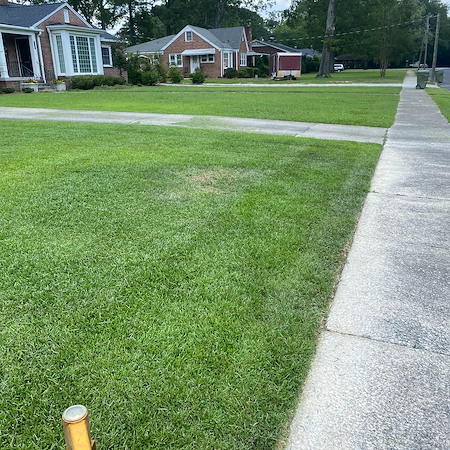
In Clinton and across Laurens County, most lawns are warm-season grasses like Bermuda, zoysia, and centipede, with pockets of fescue in shaded areas near spots like Presbyterian College and downtown streets. A year-round plan that follows local weather and growth cycles keeps color steady and roots strong. If you want a simple, proven approach without the guesswork, our lawn fertilization service is built for Upstate conditions and tuned to each yard.
This seasonal guide explains what professionals look for from spring through fall. For a quick overview of services and the team behind them, explore lawn fertilization in Clinton, SC with Jeff’s Lawn & Landscape.
How Professional Lawn Fertilization Works in Clinton
Fertilization only pays off when timing, grass type, and local weather line up. That is why a pro plan focuses on your lawn’s condition first, then selects the right materials and schedule. Our area’s red-clay soils, quick warmups, and pop-up storms require nimble timing and consistent follow-through.
- Grass type check: warm-season turf gets fed after true green-up; shaded fescue follows a fall-focused calendar.
- Local timing: service windows flex around soil temperature, rainfall patterns, and heat waves.
- Balanced program: nutrition is paired with weed control and cultural care so results last.
- Safety and stewardship: products are placed with precision to protect kids, pets, and nearby streams.
Spring: Build Momentum After Green-Up
Spring is the launch pad for warm-season lawns in Clinton. As turf wakes up, your yard needs measured nutrition that strengthens roots without pushing soft growth that wilts in June. A professional watches the lawn’s signals rather than the calendar so treatments land when the grass can use them.
Warm-season grasses should be fed after true green-up, not while dormant. That approach drives steady color and thicker coverage before summer stress arrives. For more context on early-season strategy, see this local read on spring lawn fertilization and weed control.
Summer: Protect Color And Heat Resilience
Upstate summers can swing from steamy afternoons to fast thunderstorms. In this stretch, success is about resilience. The goal is a lawn that holds color, fights off weeds, and stays comfortable under foot traffic even when rain is uneven.
Professionals keep an eye on hot slopes near driveways and sunny corners that warm faster than shaded areas. They also coordinate spot weed control so nutrition helps turf fill gaps instead of feeding invaders. When the weather turns extra hot, pros focus on gentle, sustained feeding and lawn health rather than chasing quick, flashy color that fades a week later.
Late Summer To Early Fall: Prepare Roots For Cooler Weather
As nights ease, your lawn is ready to recover from heat and bank energy for the cool-down. This is the time to reinforce root strength so the yard comes through winter clean and greens up smoothly next spring. If you like to plan ahead, this post on planning fall fertilization now explains why timing a late-season visit pays off across the next year.
Fescue’s main feeding happens in fall when cooler weather favors its growth. In many Clinton yards, that means treating warm-season turf for recovery while giving shaded fescue areas a fall-forward nutrition plan.
What If Your Lawn Is Mixed?
It is common to see a sun-loving warm-season front lawn and a patch of fescue tucked along a shaded side yard. Mixed lawns need a blended schedule. Pros separate products and time visits by zone so each grass type gets what it needs and nothing it does not. That precision avoids waste and keeps both areas looking even from the street.
Timing Matters In Laurens County Weather
Local weather can flip fast. That is why rigid, one-size-fits-all calendars underperform here. Your lawn does best when applications flex around Upstate conditions.
- Pop-up storms: products are scheduled so they bond with the turf instead of washing toward storm drains.
- Heat waves: the focus shifts to steady, turf-safe feeding that supports roots and color without stress.
- Microclimates: open, south-facing yards along busy corridors may need a slightly different window than shaded streets near campus.
Support Services That Multiply Your Results
Fertilization works best alongside smart cultural care. Thick turf beats weeds, holds moisture longer, and looks richer from the curb. When a yard shows thin seams or compacted soil, pairing nutrition with aeration and overseeding helps every visit work harder.
In many Clinton neighborhoods, high-traffic routes from the driveway or play areas compact quickly. Opening channels for air and water lets nutrients reach the root zone. That is how a good yard becomes a great yard as the season rolls on.
Season-by-Season Snapshot For Clinton Lawns
Every property is unique, but here is how a professional thinks through each stage in our area. The emphasis is on timing and lawn health rather than shortcuts.
- Early spring: confirm grass type and wake-up stage; align weed control with the first growth activity.
- Late spring: reinforce color and density as temperatures rise and growth steadies.
- Mid-summer: protect against heat stress and target problem areas that warm faster.
- Late summer to fall: help roots recover, thicken thin spots, and set up next spring’s green-up.
Common Myths That Hold Lawns Back
“More fertilizer means faster improvement.” Not here. Overfeeding can force weak growth that wilts in heat and invites disease. Precision beats volume in the Upstate’s summer pattern.
“Weed-and-feed solves everything at once.” Lawns rarely need the same thing everywhere on the same day. Targeted controls paired with seasonally tuned nutrition win over blanket mixes.
“One visit will fix a tough summer.” Real gains come from a simple plan carried through spring, summer, and fall. Each step supports the next until the lawn holds its gains on its own.
Local Clues Your Lawn Needs Attention Now
If you see any of these signs around Clinton and Laurens, it is time to let a pro take a closer look. Fixing the root cause early is faster than chasing symptoms later.
- Edges by concrete warm up first and turn pale while the center stays darker.
- Shaded strips stay thin even after rains, especially under older oaks near sidewalks.
- Color fades quickly after a quick warm spell, then weeds reappear in the same sunny seams.
- Foot-traffic routes from the driveway or mailbox never seem to fill back in.
Why Homeowners Choose Jeff’s Lawn & Landscape In Clinton
Great lawns are predictable lawns. With Jeff’s Lawn & Landscape, you get a plan that fits your yard and clear communication before and after each visit. We match products and timing to your grass, then track how the lawn responds so each step sharpens the next. When you want a greener yard without the trial and error, lean on a team that knows Laurens County’s soils and weather patterns.
If you are ready for a straightforward path to thicker turf and steadier color, start with our professional lawn fertilization. For a deeper seasonal primer, browse the Clinton-focused post on planning fall fertilization now or this spring guide to spring fertilization and weed control built for Upstate timing.
Get A Lawn That Stays Green Longer
Your lawn should feel good underfoot in July and look rich again when cooler air returns. That is what a locally timed plan delivers. Call 864-923-0317 to schedule a visit with Jeff’s Lawn & Landscape, and we will map a simple, season-by-season program that fits your property and routine. When you want clear results and less hassle, start here in Clinton with lawn fertilization that is tuned to our climate.
Ensure Your Lawn Thrives Book Your Lawn Care Services Now!