Pro Tips for Planning Spring Lawn Fertilization and Weed Control in Clinton, SC
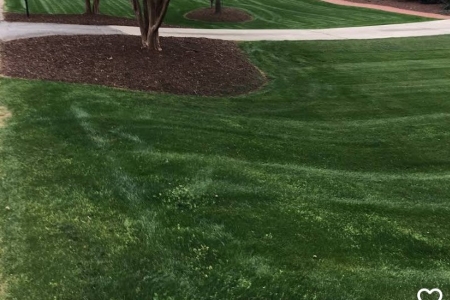
Spring in Laurens County arrives fast, and so does the window to set up a stronger lawn for the rest of the year. If you want thicker turf and fewer weeds when the heat ramps up, the right plan starts now with professional timing and a soil-first approach. For a smooth start, you can lean on our lawn fertilization service to match products and timing to local conditions.
Why Spring Timing Matters in Clinton
Upstate South Carolina warms in bursts. One week feels like early summer, then a cool front rolls through. That swing changes how nutrients and herbicides perform. Your technician watches soil temperatures, recent rainfall, and turf activity so each application hits when your grass can actually use it.
Neighborhoods near Presbyterian College or shaded streets around older oak trees can warm slower than open, sunlit yards along Highway 76. That means two lawns a mile apart may need slightly different schedules to get the same results. A local plan avoids wasted effort and helps your lawn thicken before summer stress arrives.
Soil Temperature Beats the Calendar
Soil temperature is a better guide than the calendar in the Upstate. Spring pre-emergent works best when soils reach the right range for weed germination, and fertilizer belongs on a lawn that is actively waking up. Pros track those shifts and adjust visit windows so treatments land when they will matter most.
Pairing Fertilizer and Weed Control for Best Results
A clean, dense lawn is not about one single product. It is about pairing a pre-emergent barrier to stop new weed seeds with a nutrient plan that helps desirable grass fill in. Done correctly, the lawn gets stronger while the weeds lose space, light, and water.
Many homeowners ask about weed-and-feed shortcuts. They sound convenient, but yards rarely need the same thing everywhere on the same day. Targeted weed control and well-timed feeding usually outperform one-size-fits-all mixes and reduce the risk of pushing weak, fast growth that struggles in heat.
- pre-emergent stops new invaders before they sprout
- post-emergent targets any breakthrough without stressing healthy turf
- balanced nutrition thickens grass so it outcompetes future weeds
If weeds have been stubborn in past springs, this quick read on common weed control mistakes explains why timing, grass type, and application choices matter in South Carolina yards.
Pre-Emergent Strategy Built for Upstate Lawns
Crabgrass and other summer annuals love our red-clay soils once they warm. A pro-grade pre-emergent creates a barrier right as those seeds begin to stir. In many Clinton yards, hardscaped edges by driveways and sunny slopes warm first, so those areas often see the earliest pressure. Technicians focus on those micro hot spots while keeping shaded zones on the right schedule.
Split applications help maintain protection as spring stretches toward early summer. That second visit refreshes coverage when the first barrier naturally fades. If you plan spring overseeding in certain areas, your technician will separate that work from pre-emergent because the barrier blocks all seeds, not just weed seeds.
Fertilizer Choices and the Grass Types You See Here
Most Clinton lawns feature bermuda, zoysia, or centipede. Each grass has its own growth rhythm and nutrient preference. Pros start with what your turf and soil need, then build a spring feeding plan that supports root strength without forcing soft, thirsty growth.
Slow-release nitrogen is common in early feedings because it feeds steadily as temperatures rise. Micronutrients can help where red clay and pH tie up availability. Less guesswork means steadier color, fewer thin spots, and better resilience once afternoons hit the 90s.
What Pros Look For After Winter
Winter wear at play areas, puddling near downspouts, and thin seams along sidewalks tell a story. Those clues guide where to tighten the weed barrier and where nutrition or cultural practices will give the biggest return. Your plan focuses on the lawn’s weak links first so the whole yard improves faster.
Why Soil Testing Guides the Plan
Clay-heavy soils in Laurens County can test fine for one home and show real gaps for the next. A test confirms pH and nutrient levels so spring feeding is tuned to your yard, not a bag label. That keeps fertilizer efficient and supports deep roots that save water later in summer.
Support Plays: Aeration, Water, and Mowing
Aeration increases airflow and opens channels so nutrients can reach the root zone. It also helps the lawn recover from foot traffic and winter compaction. When a yard shows compacted, slick spots, your technician may suggest aeration ahead of feeding to make every pound of nutrient work harder.
Water and mowing follow the plan, not the other way around. Cutting at the right height shades the soil surface and reduces weed sprouting. Even irrigation supports steady growth without washing away products. If breakthrough weeds appear, a focused pass with weed control keeps pressure down while the turf thickens.
Pre-Emergent Timing in Clinton, SC: What to Expect
Homeowners often ask about dates. The better answer is conditions. Locally, technicians time spring pre-emergent when soil temps trend into the right zone for weed germination and the forecast looks cooperative. They adjust shaded corners differently than sunny slopes, and they watch edges near concrete and brick that heat up earlier.
This careful timing is why a regional chart can be a helpful reference but not a substitute for a local plan. It also explains why one neighbor’s lawn may get a visit a week before another’s. Both can be “on time” for their microclimates.
Signs Your Lawn Will Benefit From a Pro-Run Spring Plan
- green-up is patchy while sunny edges fill with early weeds
- traffic routes from the driveway or play set stay thin and compacted
- crabgrass seems under control in May but returns by July
- color fades fast after a quick warm spell or a heavy rain
If any of these sound familiar, combining a tuned feeding schedule with selective controls will pay off quickly. That combo helps grass win space now and stand up to heat later.
Local Insight: Clinton’s Spring Pattern and Your Schedule
Our area often jumps from cool mornings to toasty afternoons in the same week. That pattern can stretch the pre-emergent window and complicate feeding if you follow a fixed calendar. A flexible plan that watches soil temperature, rain chances, and growth stage protects results and reduces rework.
You can also get more from spring visits by coordinating related services. Pairing fertilization with early-season adjustments to irrigation and selective spot treatments reduces surprises. When summer hits, your lawn is already dense, leaving fewer gaps for weeds to exploit.
How Jeff’s Lawn & Landscape Keeps It Simple
We build your plan around what the lawn shows us. That means the right barrier in the right places, steady nutrition as grass wakes up, and careful scheduling around weather. Communication matters too. You will know what we applied, why we timed it that way, and what to expect as temperatures rise.
If you prefer one trusted crew and a single point of contact, you are in the right place. A dedicated technician who knows your yard’s sunny and shady zones can fine-tune each visit and adjust quickly after storms.
Ready To See Thicker Grass Before Summer?
For a greener, cleaner lawn this year, start with expert lawn fertilization in Clinton, SC and a weed strategy built for our Upstate weather. If you would like a custom plan that fits your yard’s soil and grass type, call 864-923-0317 and ask for a spring visit from Jeff’s Lawn & Landscape.
Want help mapping out the first steps? Our team can walk you through timing and treatments, then handle the work on a schedule that fits your week. When you are ready, you can schedule lawn fertilization for the next available window and we will take it from there.
Ensure Your Lawn Thrives Book Your Lawn Care Services Now!