How Many Lawn Fertilizer Treatments Do You Really Need in South Carolina?
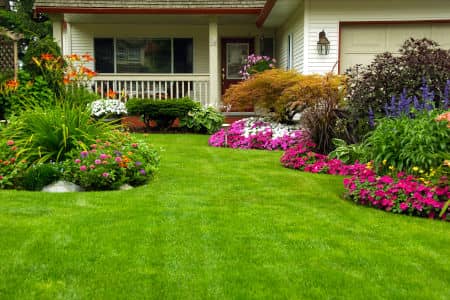
If you live in Laurens or nearby towns, you probably hear everything from “two feedings a year” to “monthly visits.” The truth sits in the middle. Most Upstate lawns with bermuda, zoysia, or centipede need a seasonal plan tailored to soil and weather, not a one-size schedule. Partnering with local lawn fertilization in Laurens, SC keeps timing on track through spring warm-ups, stormy summers, and mild winters.
At Jeff’s Lawn & Landscape, we focus on real conditions on your property. Shaded turf near Downtown Laurens behaves differently than full-sun yards around Lake Rabon or along Highway 76. A good plan adjusts for grass type, shade, irrigation, and traffic so every visit actually helps the lawn.
For big-picture guidance, you can explore lawn fertilization Laurens, SC options to understand how professional scheduling fits your yard without guessing.
What Really Determines the Number of Treatments
How many fertilizer treatments your lawn needs each year depends on local factors more than generic charts. A pros-and-conditions approach will get you better results and fewer surprises.
- Grass type in your yard. Warm-season bermuda and zoysia prefer spring through early fall nutrition. Centipede needs lighter feeding and careful timing.
- Soil health and pH in Laurens County’s red clay. Compaction and nutrient tie-up change how much the turf can use.
- Sun, shade, and trees. Oaks near older neighborhoods create cooler microclimates that shift timing.
- Irrigation and drainage. Slopes, soggy corners, and pop-up storms affect how products behave.
- Traffic and use. Play areas, pets, and foot paths burn through nutrients faster.
- Weed and pest pressure. Blending feeding with controls reduces competition and waste.
The goal is steady, usable nutrition so the lawn thickens, resists weeds, and stays resilient in heat. When feedings line up with active growth, you get color and density without pushy growth that needs extra water.
A Seasonal Fertilizer Plan Built for Laurens, SC
Below is a practical, pro-managed rhythm for our Upstate climate. It aligns with typical weather in Laurens and surrounding communities like Gray Court and Joanna. Exact dates vary by soil temperature and rainfall, not the calendar.
Early Spring: Wake-Up Without Overdoing It
When turf starts to stir, gentle nutrition helps roots wake and fill thin seams. Pairing feeding with season-appropriate weed control improves early density so summer stress is easier to handle. For more context on timing around that first warm stretch, read these spring lawn fertilization and weed control tips.
Avoid heavy early nitrogen, especially on centipede. Too much, too soon creates soft growth that struggles once the heat hits.
Late Spring: Build Density Before Heat
As days lengthen, slow-release nutrition supports steady blades without surge growth. This is also when pros tweak the plan around edges, sidewalks, and sun-baked slopes that warm faster than shaded areas near Watts Mills. Dense turf now means fewer weeds later.
Summer Stress Feeding: Stay Green Without Pushy Growth
Laurens summers swing between hot afternoons and fast thunderstorms. A steady, moderate feeding strategy can support color and recovery without forcing thirsty growth. Many lawns benefit from a lighter visit focused on slow-release nitrogen and supportive nutrients that help the plant hold up under traffic and heat.
Underfeeding during peak stress can be as risky as overfeeding. The right balance keeps color without making the lawn needy.
Early Fall: Recovery and Root Strength
After a busy summer, a well-timed fall feeding helps the turf store energy and repair thin areas. If compaction or thin seams showed up, a pro may sequence feeding with aeration or overseeding so nutrients can reach the root zone more efficiently. For the seasonal “why” behind this timing, see our take on planning fall fertilization.
Winterization: Protect Roots for a Fast Spring Start
Our winters are mild, but roots still benefit from a late-season dose that supports storage and winter hardiness. This visit focuses less on blade color and more on underground strength so spring green-up happens without drama. If your lawn sits near shady, damp pockets by creeks or tree lines, winterization is a smart insurance step.
So, How Many Visits Make Sense in the Upstate?
A healthy Laurens lawn usually thrives on a year-round plan with multiple touchpoints. The exact count depends on grass type and site conditions, but most homeowners land between a lean plan and a full, seasonally tuned program.
- Lean plan: 4 to 5 visits focused on key growth windows and minimal stress feeding.
- Balanced seasonal plan: 6 to 7 visits that align with spring wake-up, pre-summer density, summer stress feeding, fall recovery, and winterization.
- High-attention plan: 7 to 8 touchpoints for lawns with heavy use, shade swings, or chronic weed pressure.
Centipede often prefers the lighter side of feeding, while bermuda and zoysia can use a bit more support through the long growing season. If shade, traffic, or drainage complicate your yard, a pro may adjust the visit count or formulation so every application does measurable work.
When Fewer Treatments Are Enough
Some lawns do not need a high number of visits. Newer sod in full sun, efficient irrigation, and clean edges may respond well to a lean schedule. The key is matching frequency to real need. Feeding less but at the wrong time still wastes money. Feeding at the right time, even if that means fewer total visits, builds stronger roots and better color.
When More Treatments Pay Off
Lawns with heavy shade near mature oaks, compacted clay from driveway traffic, or scattered thin spots may benefit from an additional visit or two. Extra support is also wise for families that use the yard daily. If your lawn lives close to Lake Rabon breezes or low-lying pockets that stay damp after storms, tailored visits keep nutrients where the turf can use them.
How This Fits With Weed Control and Other Services
Fertilizer does not work in a vacuum. The strongest lawns in Laurens pair nutrition with selective weed control and, when needed, soil relief. Think of it as a team effort where each visit has a job. For a deeper dive on common mistakes, this quick read on weed control mistakes in South Carolina yards explains why timing and product choice matter.
If your lawn shows compaction or thin seams, your technician may sequence a feeding after aeration or overseeding so nutrients reach the root zone and new seedlings establish well. Keeping the schedule flexible and local is what makes a seasonal fertilizer plan win in Laurens.
What You Can Expect When You Hire a Pro
With Jeff’s Lawn & Landscape, your plan is adjusted during the year as conditions change. You will know what we applied, why we timed it that way, and what to expect next. If storms pop up or a heat wave stalls growth, we adjust the window so your lawn gets value from every visit. When you are ready to map out a calendar that fits your yard, review how a customized program works with professional lawn fertilization aligned to Laurens weather.
Ready To Choose the Right Number of Treatments?
Here is the simple answer. Most Laurens lawns do best with a balanced, seasonal plan that includes spring wake-up, pre-summer density support, summer stress feeding, fall recovery, and winterization. The exact count varies by grass type, shade, use, and soil health. A quick on-site look tells us which plan will keep your yard greener, longer, with fewer headaches.
If you want a local team that tunes the schedule to your property, call 864-923-0317 to talk with Jeff’s Lawn & Landscape. You can start a season-long plan that fits your goals and daily routine, then let us handle the timing, products, and results. When you are ready to get moving, learn what is included with our lawn fertilization service and how we tailor visits for neighborhoods across Laurens, SC.
Ensure Your Lawn Thrives Book Your Lawn Care Services Now!